Choosing the Right Materials for Coastal Hardscaping Projects May 14, 2026
Understanding Coastal Hardscaping
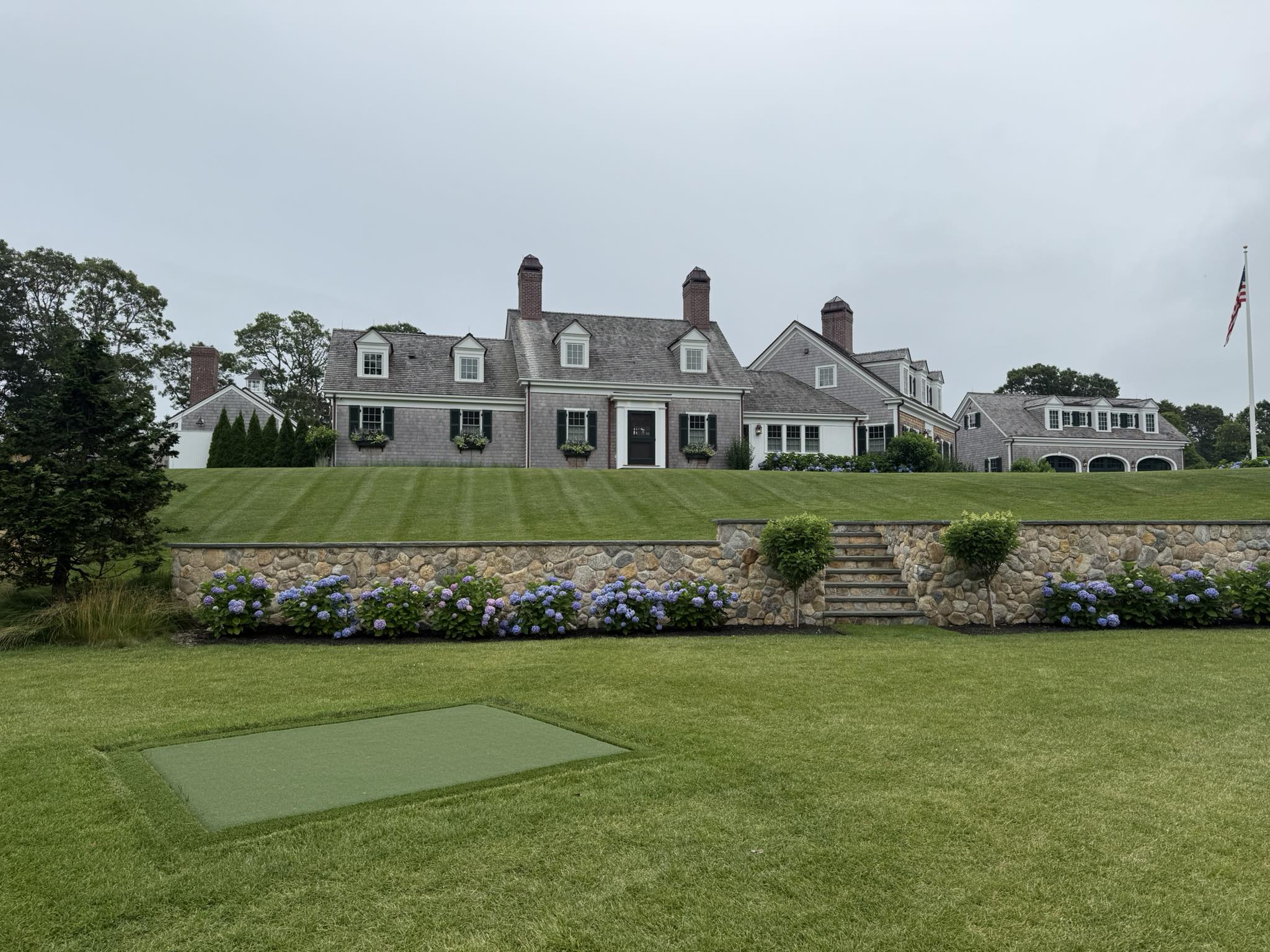
Before diving into specific materials, it’s essential to grasp what coastal hardscaping involves. Hardscaping refers to non-living elements that are structurally integrated into landscapes. Common features include patios, retaining walls, pathways, and outdoor kitchens. In coastal areas, these structures must be designed and built to endure the unique environmental conditions, including high humidity and saline air.
Durable and Resilient Materials
For a successful coastal hardscape, durability and resilience are paramount. Natural stone is a top choice, offering both strength and aesthetic appeal. Stones like granite, slate, and bluestone are excellent due to their natural density and resistance to weathering. However, one must ensure that stones are sealed properly to prevent saltwater damage over time.
Concrete is another robust option often used in coastal hardscaping. Its versatility allows for various finishes and is relatively resistant to the elements when mixed and cured correctly. Enhancing concrete with a sealant can further protect it against moisture and salt penetration.
Wood may seem like a less obvious choice for coastal projects due to its susceptibility to rot. However, treated hardwoods or composite materials can offer the aesthetic of wood while being far more resistant to decay and insects. Materials like teak or cedar, known for their natural oils and density, can weather coastal conditions better than others.
Aesthetic and Functional Considerations
While durability is critical, aesthetics should not be overlooked. The colors and textures of chosen materials should complement the coastal setting and align with your design aspirations. For instance, light-toned materials can reflect the relaxed, airy ambiance often found in seaside regions.
Functionality should guide material selection as well. Slip-resistant surfaces are important for safety, especially in high-foot traffic areas like walkways and pool decks. Textured stones or pavers with anti-skid properties are highly recommended.
Environmental Impact
The environmental impact of your material choice should also be a consideration. Sustainable hardscaping practices involve using locally sourced materials to reduce transportation emissions. Additionally, eco-friendly options, like permeable pavers, allow water to pass through, aiding in natural drainage and reducing runoff.
Conclusion
Embarking on a coastal hardscaping project requires thoughtful consideration of materials suited to the unique environment. With RB Coastal Services, you gain access to expert advice tailored to meet both functional and aesthetic needs while showcasing eco-conscious practices. Choosing the right materials not only ensures your hardscaping stands the test of time but also enhances the natural beauty of your seaside property. Let us help you create a resilient, stunning outdoor space that reflects both your style and the serene, enduring quality of the coast.
/filters:no_upscale()/filters:format(webp)/media/23af9d3f-dd55-47a8-89fe-053e5f64caf0.jpeg)